
ERP Solutions for Distribution, Manufacturing, Rental and Service-Based Organisations
Explore how ERP applies to your industry and identify the right approach for your business.
Modern cloud ERP is not one-size-fits-all. Cloud Factory helps businesses across manufacturing, distribution, services and construction implement ERP systems that align with how they operate—improving visibility, control and performance across finance, operations and supply chain.
Key Challenges in Wholesale Distribution
Wholesale distribution businesses operate in a highly dynamic environment where inventory, warehousing, purchasing and customer demand must all align. As organisations grow, many outgrow disconnected systems and manual processes, creating inefficiencies and limiting visibility across the business.
Without a unified ERP platform, distributors often struggle to maintain accurate information, respond quickly to demand and scale their operations effectively.
Lack of Real-Time Inventory Visibility
Inventory data spread across spreadsheets or multiple systems makes it difficult to track stock levels accurately. This can lead to overstocking, stockouts and reduced customer satisfaction.
Warehouse Inefficiencies
Manual picking, poor warehouse layout visibility and limited system integration can slow down fulfilment processes and increase the risk of errors.
Disconnected Purchasing and Sales
When purchasing, sales and inventory are not aligned, businesses struggle to forecast demand, manage supplier relationships and maintain optimal stock levels.
EDI and Retail Integration Challenges
Many distributors are required to transact with major retailers and partners using Electronic Data Interchange (EDI). Without integrated systems, businesses rely on manual data entry, increasing the risk of errors, delays and compliance issues.
Limited Demand Planning and Forecasting
Without accurate historical data and integrated forecasting tools, it becomes difficult to anticipate demand fluctuations and plan inventory accordingly.
Multi-Location Complexity
Managing multiple warehouses or branches adds complexity to stock transfers, reporting and operational visibility, particularly when systems are not integrated.
Manual Processes and Reporting
Reliance on spreadsheets and manual reconciliation slows decision-making and increases the risk of errors across finance, inventory and operations.

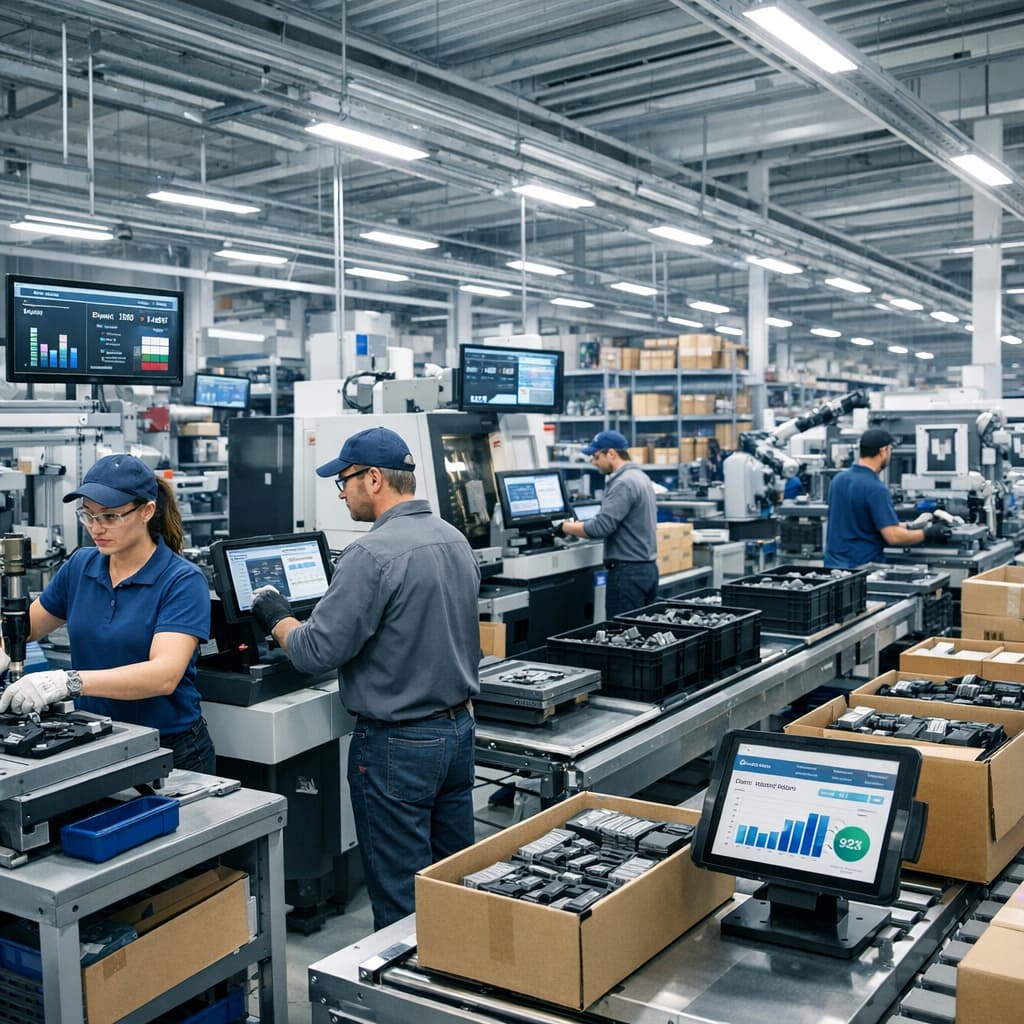
Key Challenges in Manufacturing
Manufacturing businesses operate in complex environments where production planning, material availability, inventory control, procurement and financial management must work together seamlessly. As organisations grow, many outgrow disconnected systems, spreadsheets and manual workarounds, making it harder to maintain visibility across the production lifecycle.
Without a unified ERP platform, manufacturers often struggle to manage demand, control production costs, maintain product quality and respond efficiently to operational change. This can affect profitability, customer service and the ability to scale with confidence.
Limited Production Visibility
When production data is spread across multiple systems or managed manually, it becomes difficult to see what is happening on the shop floor in real time. This reduces visibility over work in progress, production status and bottlenecks that may delay delivery.
Inaccurate Bill of Materials and Costing
Manufacturers rely on accurate bills of materials, routings and cost structures to manage margins effectively. Manual processes or disconnected systems can lead to costing errors, poor pricing decisions and reduced confidence in profitability reporting.
Inefficient Production Planning and Scheduling
Without integrated planning tools, it is difficult to align demand, labour, machine capacity and material availability. This can result in production delays, inefficient sequencing, missed deadlines and underutilised resources.
Inventory and Material Availability Issues
Manufacturing performance depends on having the right materials available at the right time. Poor coordination between inventory, purchasing and production can lead to shortages, excess stock, production interruptions and unnecessary working capital pressure.
Quality Control and Traceability Challenges
Many manufacturers need to monitor quality throughout the production process and maintain traceability across raw materials, batches and finished goods. Without integrated controls, identifying defects, managing recalls or demonstrating compliance becomes far more difficult.
Disconnected Procurement and Production Processes
When procurement is not closely connected to production requirements, purchasing teams may struggle to respond to changing schedules, supplier delays or urgent material needs. This creates avoidable disruption across manufacturing operations.
Manual Reporting and Delayed Insight
Reliance on spreadsheets and manual reporting makes it harder to monitor production efficiency, material usage, job profitability and operational performance. Decision-makers are left reacting after issues arise instead of managing proactively.
Complexity Across Multiple Sites or Product Lines
As manufacturers grow, managing multiple facilities, warehouses, production lines or product variations becomes increasingly complex. Without integrated systems, maintaining consistent reporting, inventory control and operational coordination is challenging.
Key Challenges in Rental Businesses
Rental businesses operate in complex environments where equipment availability, logistics, contracts, maintenance and billing must all work together seamlessly. Unlike traditional inventory-based businesses, rental organisations must track the utilisation, condition and profitability of individual assets across multiple locations and time periods.
As businesses grow, managing these processes across spreadsheets or disconnected systems becomes increasingly difficult. Without a unified ERP and rental management solution, organisations often struggle to maintain visibility, control and efficiency across their operations.
Limited Visibility of Equipment and Availability
Rental businesses need to know where their equipment is, who it is rented to and when it will be returned. Without real-time visibility, it becomes difficult to manage availability, leading to missed opportunities or double bookings.
Complex Rental Contracts and Billing
Managing short-term and long-term rentals, pricing structures, deposits, additional charges and billing cycles can be complex. Manual processes increase the risk of errors, revenue leakage and disputes.
Logistics, Delivery and Collection Challenges
Coordinating the delivery, transfer and return of equipment across multiple sites requires accurate scheduling and visibility. Without integrated systems, logistics planning becomes inefficient and difficult to manage.
Maintenance and Service Management
Equipment must be maintained, inspected and serviced regularly to ensure reliability and compliance. Tracking service history, costs and schedules manually can lead to downtime and increased operational risk.
Tracking Asset Profitability
Rental businesses need to understand the revenue and cost associated with each asset. Without integrated systems, it is difficult to measure profitability at the level of individual equipment, categories or locations.
Multi-Location and Fleet Complexity
Managing equipment across depots, branches or project sites increases complexity. Businesses require visibility across locations to optimise utilisation and reduce idle assets.
Disconnected Systems and Manual Processes
When rental operations, finance, inventory and service are managed in separate systems, data duplication and inconsistencies arise, limiting efficiency and decision-making.
Limited Reporting and Operational Insight
Without integrated reporting, it becomes difficult to monitor utilisation, revenue, maintenance costs and overall business performance in real time.
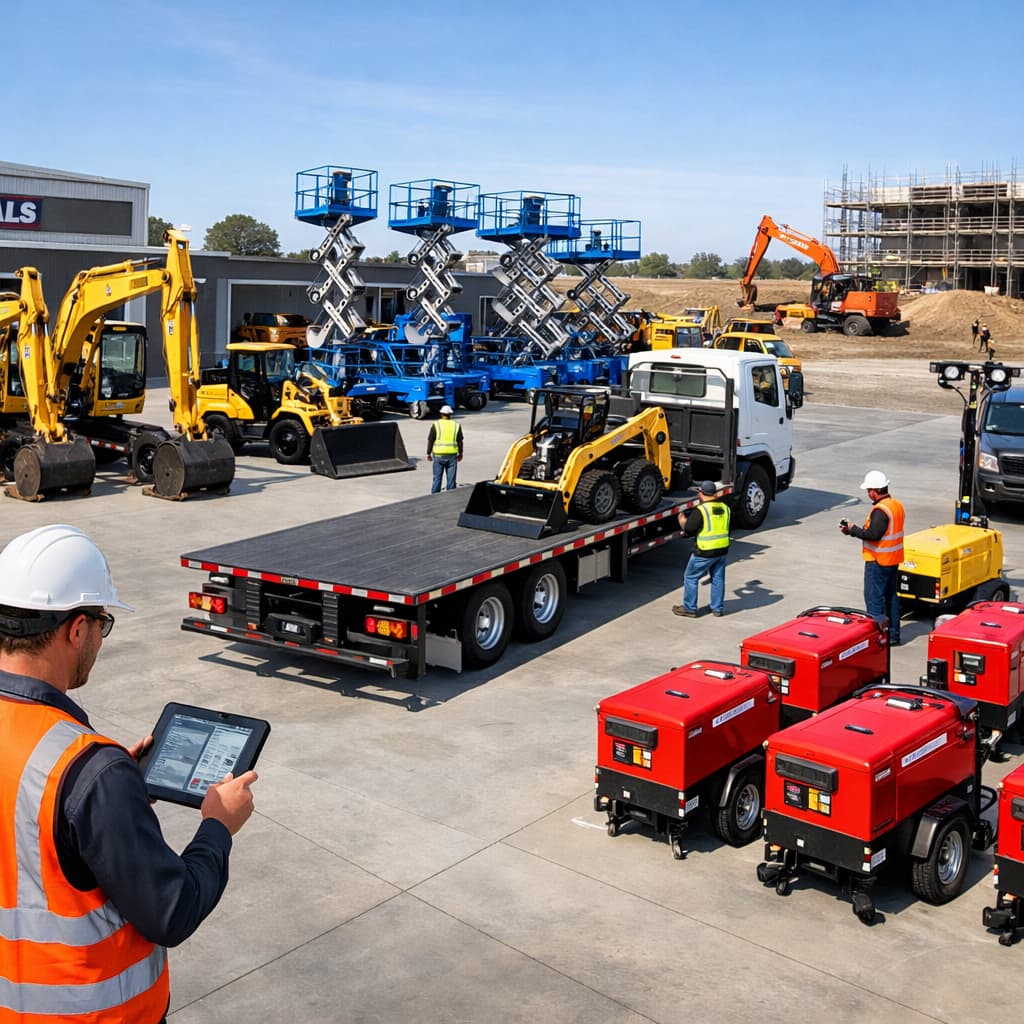
Unlike other industries, rental businesses typically require a specialised solution built on top of ERP

Key Challenges in Service-Based Organisations
Service-based organisations operate in environments where projects, people, time and financial performance must be closely aligned. Unlike inventory-driven businesses, success depends on effectively managing resources, delivering projects on time and maintaining visibility over costs, revenue and profitability.
As organisations grow, managing these processes across spreadsheets or disconnected systems becomes increasingly difficult. Without a unified ERP platform, businesses often struggle to maintain control, forecast accurately and deliver consistent outcomes across projects and clients.
Limited Visibility Across Projects
Without real-time insight into project performance, businesses struggle to track progress, costs and profitability. This makes it difficult to identify issues early and ensure projects are delivered successfully.
Resource Planning and Utilisation Challenges
Managing staff availability, skills and allocation across multiple projects is complex. Without proper systems, businesses may underutilise resources or overload teams, impacting delivery and profitability.
Inaccurate Time and Cost Tracking
When time and expenses are recorded manually or inconsistently, it becomes difficult to track project costs accurately, leading to billing errors and reduced margin visibility.
Complex Billing and Revenue Recognition
Service businesses often deal with fixed-price, time-and-material or milestone-based billing. Managing these variations without integrated systems increases complexity and risk of revenue leakage.
Disconnected Financial and Operational Systems
When project management, time tracking and finance systems are not integrated, data becomes fragmented, reducing accuracy and limiting decision-making across the business.
Limited Forecasting and Pipeline Visibility
Without clear visibility into future work, resource demand and project pipelines, it becomes difficult to plan effectively and manage growth.
Manual Reporting and Delayed Insight
Reliance on spreadsheets and manual reporting slows access to key information, making it harder to monitor performance and respond to issues in real time.
Scaling Challenges Across Clients and Projects
As service organisations grow, managing multiple clients, projects and teams becomes increasingly complex without a unified system to provide structure and control.
Book a Complimentary ERP Assessment
Book a complimentary ERP assessment with Cloud Factory to review your current systems, identify operational gaps and determine the right solution to support your business growth.