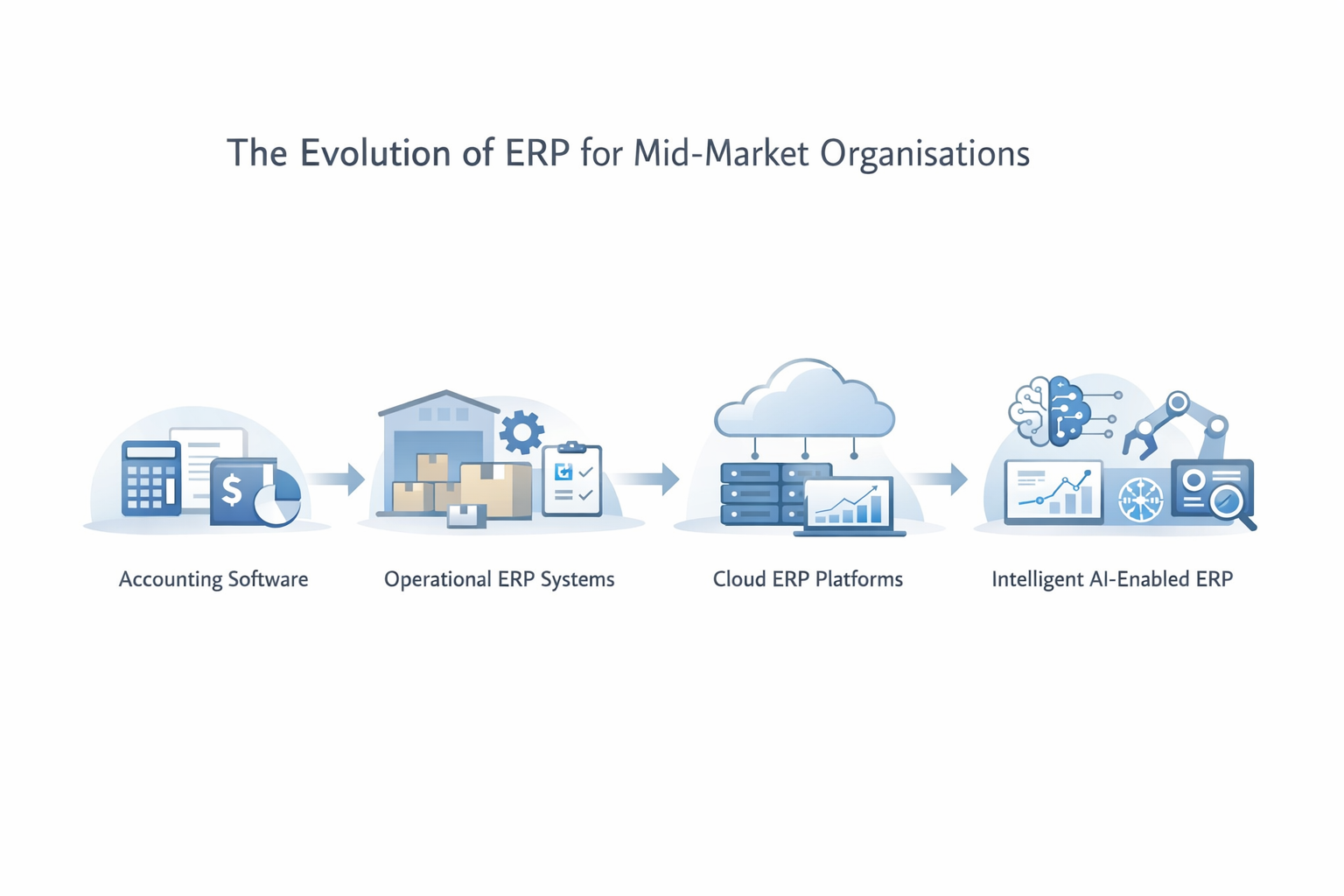
The Rise of the Accounting App Ecosystem
Over the past decade, cloud accounting platforms such as Xero have transformed how small and mid-sized businesses manage finance.
A major reason for this success has been the vibrant ecosystem of third-party applications that extend the platform beyond core accounting capabilities.
Businesses frequently connect tools for:
- inventory management
- reporting and analytics
- approvals and workflow automation
- expense management
- CRM integration
- payroll and HR
This flexibility has enabled organisations to build tailored finance stacks using specialised applications connected through APIs.
What Xero’s API Pricing Announcement Means
Xero has recently announced changes to how developers access its API platform, introducing usage-based pricing tiers for integrations.
While these costs apply primarily to software developers, they rarely remain isolated at that level.
In most cases, increased platform costs are eventually reflected in:
- higher subscription prices for integrations
- revised pricing models for third-party apps
- reduced margins for smaller integration providers
For businesses relying on several connected applications, this highlights a broader issue: the cumulative cost of running multiple integrated systems.
The Hidden Cost of the “Accounting + Apps” Model
A typical growing business may operate with a finance technology stack that includes:
Accounting platform
- Inventory system
- Reporting tool
- Expense management
- Workflow approvals
- CRM integration
While each tool adds useful functionality, the combined environment can introduce:
- multiple subscriptions
- ongoing integration maintenance
- duplicated data across systems
- increasing operational complexity
Over time, organisations often discover that their “lightweight” accounting platform has evolved into a complex web of interconnected systems.
When Businesses Begin Considering ERP
At a certain stage of growth, many businesses begin reviewing whether their current architecture remains the best fit.
Key indicators often include:
- increasing reliance on multiple add-ons
- manual data reconciliation between systems
- rising software subscription costs
- operational workflows spanning multiple applications
- reporting challenges due to fragmented data
When these challenges emerge, organisations frequently begin evaluating integrated ERP platforms.
How Modern ERP Platforms Simplify the Stack
Modern ERP solutions combine finance and operations within a single system.
Platforms such as:
provide integrated capabilities including:
- financial management
- inventory and supply chain
- manufacturing or distribution workflows
- reporting and analytics
- CRM integration
- approvals and business processes
By consolidating these capabilities within one platform, businesses can significantly reduce reliance on multiple integrations.
ERP Is Not Always the Right Answer — Timing Matters
Importantly, moving to ERP is not always the right decision for every business.
Many organisations operate very successfully with an accounting platform and selected integrations for many years.
However, as operational complexity increases, finance leaders often reassess whether continuing to expand the integration ecosystem remains the most efficient approach.
Reviewing Your Finance Technology Strategy
Recent changes in platform ecosystems such as API pricing simply reinforce a broader question facing many growing organisations:
Is our current finance technology stack designed for where the business is today — or where it is going next?
At Cloud Factory, we regularly help organisations evaluate their current environment and determine whether continuing with an accounting-plus-apps approach or transitioning to ERP is the best strategic option.
Our team works across leading ERP platforms including:
- SAP Business One
- Microsoft Dynamics 365 Business Central
- MYOB Acumatica
If you are reviewing your finance and operations systems strategy, our team would be happy to provide an independent perspective.
Frequently Asked Questions
Do API pricing changes affect businesses using Xero integrations?
- Yes. While API fees are charged to developers, these costs are often reflected in subscription pricing for the applications businesses use.
When should a business consider moving from accounting software to ERP?
-
Businesses often evaluate ERP when they rely on multiple integrations for inventory, reporting, approvals, and operational workflows.
Which ERP systems are commonly used by mid-market businesses?
Is It Time to Review Your Finance Systems Strategy?
ERP Readiness & Finance Platform Review
In this advisory session we identify:
- The true cost of your current accounting + apps stack
- Integration and data complexity across finance systems
- Whether ERP would simplify operations and reduce long-term cost
- The most suitable platforms for your next phase of growth
Including solutions such as:
- SAP Business One
- Microsoft Dynamics 365 Business Central
- MYOB Acumatica
📩 enquiries@cloudfactory.co
🌐 www.cloudfactory.co

.png)