What is Microsoft Dynamics 365 Business Central?
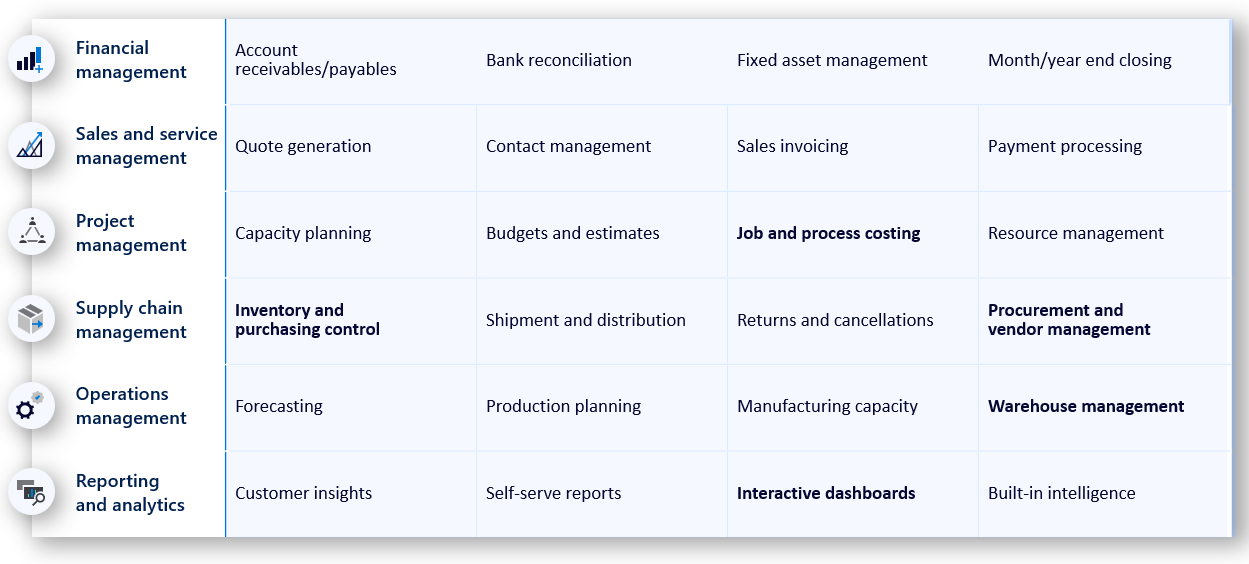
Microsoft Dynamics 365 Business Central is Microsoft’s cloud ERP platform designed for small and mid-sized businesses to manage finance, sales, purchasing, inventory, projects and operations in a single integrated system.
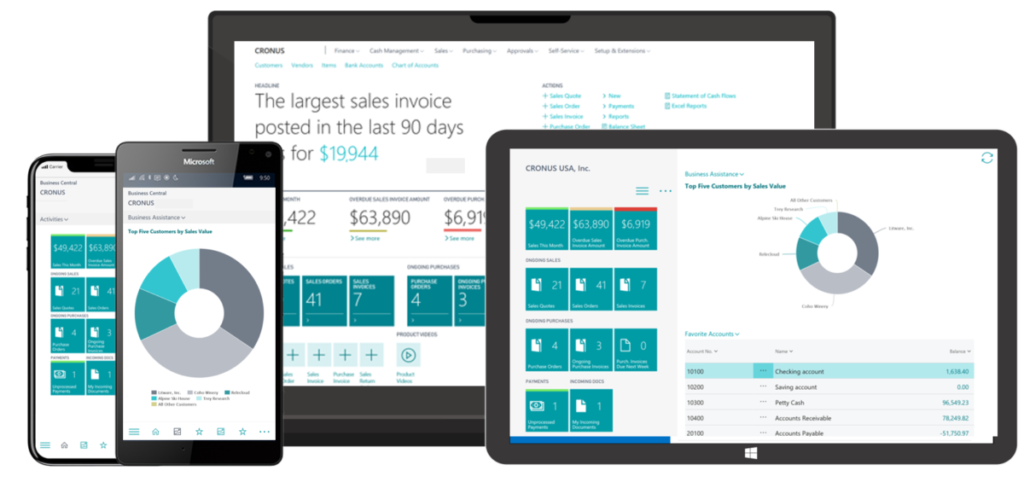
Built on the Microsoft ecosystem, it connects seamlessly with Microsoft 365, Power BI, Power Platform and AI-driven Copilot capabilities to automate processes, improve reporting, and support scalable growth.
Cloud Factory helps Australian distribution, manufacturing and service businesses implement and optimise Business Central to replace legacy ERP systems and manual processes.
Why Businesses Implement Microsoft Dynamics 365 Business Central
- Disconnected Accounting and Inventory systems
- Manual reporting using spreadsheets
- Limited visibility across operations
- Legacy ERP platforms nearing end-of-life
- Difficulty scaling finance and operational processes
Many growing businesses reach a point where their existing accounting software, spreadsheets, and disconnected applications can no longer support the way the business operates.
What began as a simple financial system often evolves into a patchwork of applications — accounting software, CRM tools, inventory add-ons, reporting spreadsheets, and manual processes — that require constant workarounds to keep information aligned.
As a result, management teams spend more time reconciling data between systems than analysing the business itself.
Microsoft Dynamics 365 Business Central is typically implemented when organisations need a single, integrated platform to manage finance, operations, inventory, purchasing, sales, and reporting in one place.
At Cloud Factory, we frequently work with businesses that are experiencing one or more of the following challenges.
Disconnected Systems and Too Many Business Applications
Many businesses rely on multiple standalone applications to manage different parts of the organisation — accounting software for finance, a CRM system for sales, separate warehouse tools for inventory, and spreadsheets for reporting.
While these systems may function individually, they rarely share information seamlessly. This results in duplicate data entry, inconsistent reporting, and time spent reconciling information across platforms.
Business Central consolidates these processes into a single integrated ERP system, ensuring that financial, operational, and customer data remain synchronised across the business.
Limited Visibility Across the Business
Without an integrated ERP platform, leaders often struggle to answer fundamental operational questions:
- What is our real-time inventory position?
- Which products or customers are most profitable?
- Are purchase orders aligned with demand forecasts?
- How is cash flow trending this quarter?
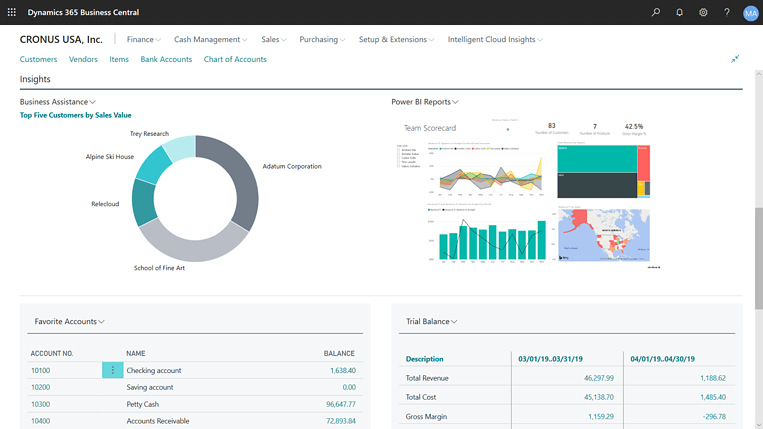
Business Central provides real-time dashboards, integrated reporting, and Power BI analytics that allow management teams to make decisions based on accurate, up-to-date information.
Manual Processes and Spreadsheet Dependency
Many organisations rely heavily on spreadsheets to manage tasks such as budgeting, reporting, stock planning, and forecasting.
While spreadsheets can be flexible, they introduce significant risks:
- version control issues
- manual errors
- duplicated effort
- lack of audit trails
Business Central automates many of these processes through structured workflows, financial controls, and integrated reporting tools.
Operational Complexity as Businesses Scale
As businesses scale, operational processes become more complex:
- inventory management across multiple warehouses
- more sophisticated purchasing and supply chain planning
- increasing financial reporting requirements
- integration with eCommerce, logistics, and external systems
Business Central provides a scalable ERP platform that supports this growth while maintaining operational control.
Legacy ERP or Accounting Systems Reaching Their Limits
Some organisations are already using older ERP systems or accounting platforms that are no longer evolving.
Common issues include:
- outdated technology
- expensive infrastructure
- limited integration capability
- difficulty supporting remote work or cloud access
Microsoft Dynamics 365 Business Central is a modern cloud ERP platform designed to support today’s operational and digital requirements.
Who Microsoft Dynamics 365 Business Central Is Best Suited For
Microsoft Business Central is designed for small to mid-sized organisations that need a modern ERP platform capable of integrating finance, operations, inventory and reporting within a single cloud system. It is particularly well suited to businesses that have outgrown entry-level accounting software or legacy ERP platforms and require improved visibility, automation and operational control.
Business Central is widely used by organisations in industries such as manufacturing, wholesale distribution, professional services and project-based businesses, where operational processes require coordination across finance, purchasing, inventory, sales and customer management.
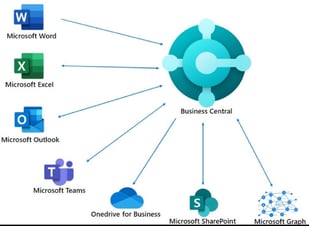
It is also well suited to organisations that already rely on the Microsoft ecosystem. Native integration with Microsoft 365, Teams, Excel and the wider Microsoft Power Platform allows businesses to extend ERP capabilities through automation, reporting and AI-driven insights while maintaining a familiar user environment.
For organisations reviewing or replacing legacy ERP platforms such as MYOB Exo, Pronto or SAP Business ByDesign, Business Central provides a scalable cloud-based ERP platform capable of supporting long-term operational growth.
Business Central is particularly well suited to organisations that:
- have outgrown accounting systems such as Xero
- need stronger inventory, warehouse and operational control
- operate in manufacturing, wholesale distribution or service industries
- want to integrate ERP with Microsoft 365, Power Platform and AI capabilities
- are replacing legacy ERP systems such as MYOB Exo, Pronto or SAP Business ByDesign
Frequently Asked Questions
What is Microsoft Dynamics 365 Business Central?
Microsoft Dynamics 365 Business Central is a cloud ERP platform designed for small to mid-sized businesses. It integrates finance, inventory, purchasing, sales, project management and reporting into a single system, helping organisations improve visibility, control and operational efficiency.
What types of businesses use Business Central?
Business Central is widely used by manufacturing, wholesale distribution, service and project-based organisations that need a modern ERP system to manage financials, operations and inventory within a single platform.
How long does a Business Central implementation take?
Implementation timelines depend on the size and complexity of the organisation. A typical Business Central implementation may take between three and nine months, depending on configuration, data migration, integrations and training requirements.
Can Business Central replace legacy ERP systems?
Yes. Many organisations implement Business Central when replacing legacy ERP systems such as MYOB Exo, Pronto or older on-premise accounting and ERP platforms that no longer support modern business requirements.
Does Business Central support AI and automation?
Yes. Business Central includes built-in AI capabilities such as Microsoft Copilot and integrates with the Microsoft Power Platform to enable workflow automation, predictive insights and improved reporting.
How does Business Central integrate with Microsoft 365?
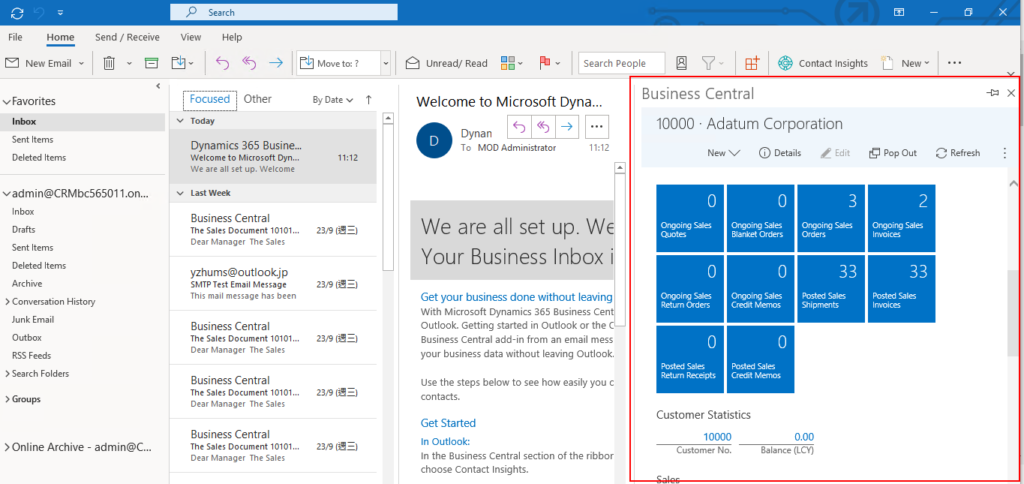
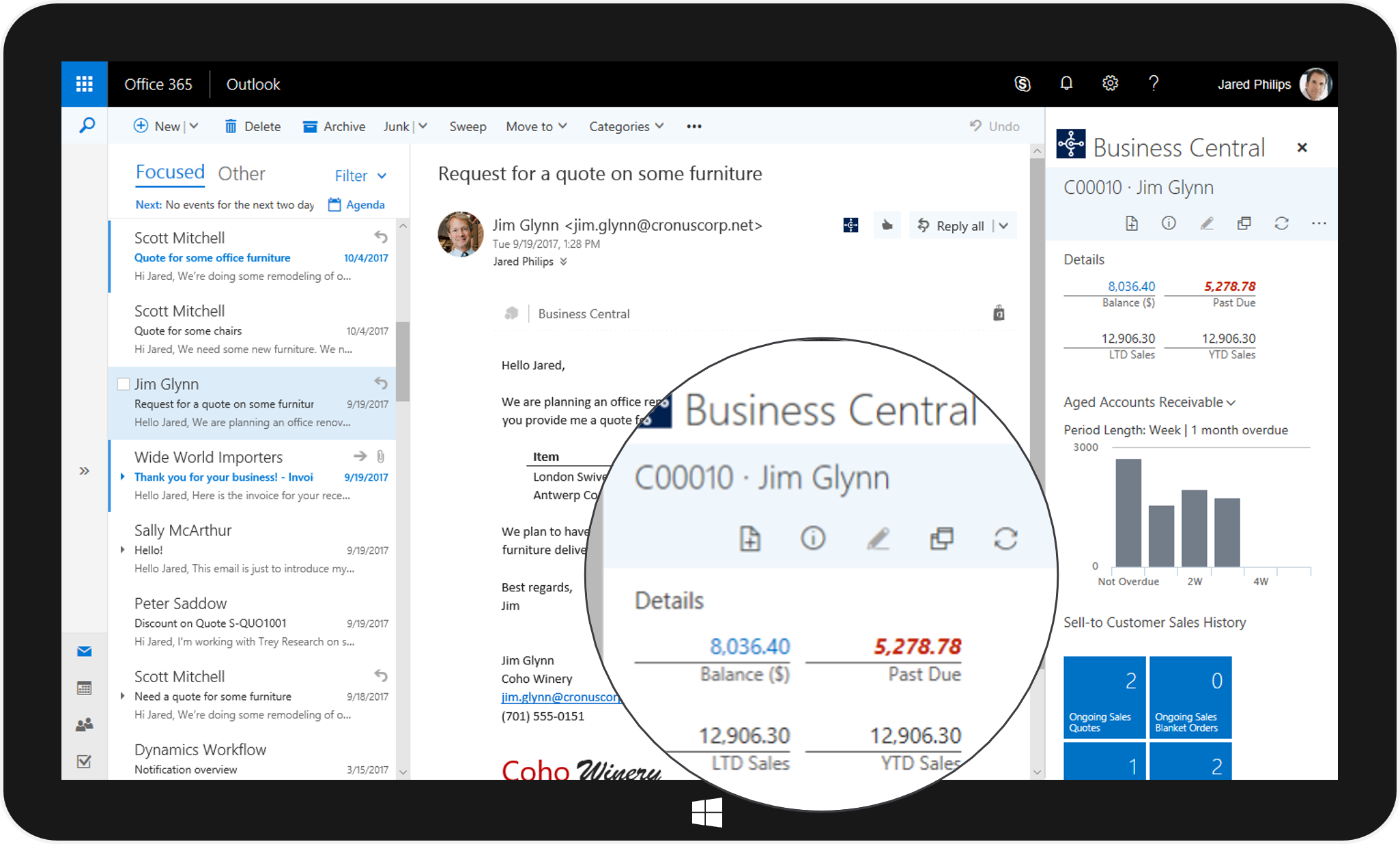
Business Central integrates with Microsoft tools including Outlook, Excel, Teams and the wider Microsoft 365 ecosystem, allowing users to access ERP information directly within the applications they use every day.
How Cloud Factory Helps
Cloud Factory works with Australian distribution, manufacturing, and service businesses to implement Microsoft Dynamics 365 Business Central and replace fragmented systems with a unified ERP platform.
Our approach focuses on aligning technology with operational processes so that businesses gain better visibility, automation, and control as they grow.
If you are unsure whether your current systems are still fit for purpose, our team can help assess your current environment and identify opportunities for improvement.
Financial Management
Better manage your cash flow, bank reconciliations, fixed assets, budgeting, and project costing while shortening cycle times with the late payment–prediction extension.
Customer Relationship Management
From Contacts to Opportunities to Campaigns to Inventory Control and Office 365 Integration - all from one application.
Manufacturing
Implement manufacturing processes according to plan, even in agile and complex environments.
Project Costing
Better manage projects using timesheets and advanced job costing and reporting. Develop and modify detailed budgets to help ensure project profitability.
Supply Chain
Manage your stock based on actuals, demand, and availability using built-in intelligence, sales forecasts, and expected stock-outs to automatically create purchase orders.
Microsoft Dynamics 365 Business Central Workshops
Cloud Factory holds many complimentary and personalised workshops for companies looking to implement Microsoft Dynamics 365 Business Central to their core business. Clients are taken through an overview of the solution and we look to answer any and all questions they may have for Dynamics 365 Business Central. To find out about a workshop that suits you, please click below!
How Cloud Factory Supports Your Business Central Implementation
Implementing a modern ERP system requires careful planning and a structured approach. Cloud Factory follows a proven implementation methodology designed to reduce risk, ensure business alignment, and support successful adoption of Microsoft Dynamics 365 Business Central.
Phase 1
ERP Requirements & Selection
We hit the ground running… fast. We help you select the ERP solution that suits your business best first and foremost!
Phase 2
Planning, Training & Support
We will jointly develop an implementation project plan for your project team that includes details on how the various modules will interact. We will test your system in a safe environment before launch.
Phase 3
ERP Consulting and Upgrade Services
We are there for you over the long term to advise, consult, support, train, and provide services related to your new Business Solution and fine-tune it with new enhancements as and when needed.
Phase 4
User Adoption and Support
We support user adoption through ongoing guidance, regular online sessions and quarterly Business Central User Group events where our experts review recent releases and highlight new capabilities.
Dynamics 365 Business Central Pricing and More!
Want to learn more about Dynamics 365 Business Central? You can have a look at the pricing for Business Central for Australia below, its Integrations or you can book a free assessment with us and we will come out to you and showcase a Business Central Review.
Microsoft Dynamics 365 Business Central Pricing
Microsoft Dynamics 365 Business Central has a number of License types available to deploy. Ensure you deploy the right license for your users of Microsoft Business Central. Get in touch with us to learn more.